
Reader’s Theater is one of the most effective ways to build oral reading fluency in upper elementary students. It gives students repeated reading opportunities in a fun and meaningful format. But for your students to perform with confidence and expression, they need structured time to practice their lines.
In this post, I’ll walk you through how to rehearse a Readers Theater script—from small group teacher instruction to independent group work and even homework strategies—to build fluency through repetition and fun.
Why Reader’s Theater Builds Reading Fluency
Fluency is more than just reading words correctly—it’s about reading with accuracy, proper pacing, and expressive voice. Reader’s Theater gives students repeated exposure to the same text, which is key for improving fluency.
As students rehearse their parts, they build confidence, learn to read with natural phrasing, and improve their intonation. It’s an ideal format for engaging fluency practice, especially in grades 3–5.
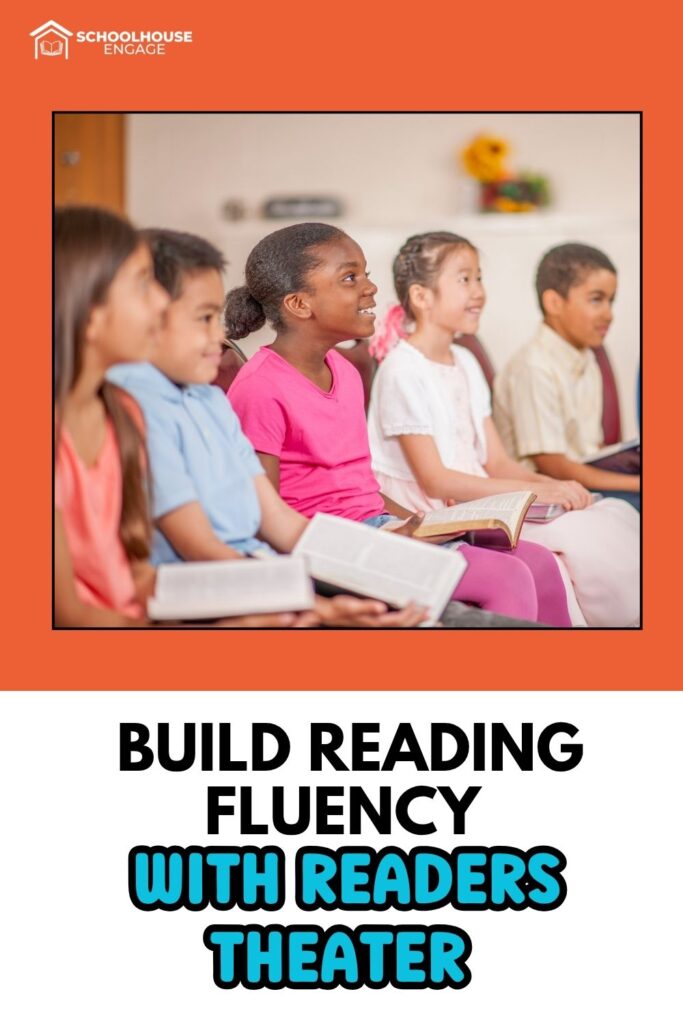
Small Group Rehearsal with the Teacher
Support Struggling Readers with Targeted Practice
Practicing Reader’s Theater in a small group gives students the opportunity to go over their lines multiple times in a supportive setting. It’s also the best way to help them prepare for a confident performance.
If you have struggling readers, pull them to your reading table and go over their lines focusing on pronunciation and fluency. You can also call the full cast of a script and work with them together. This ensures that all students feel prepared and supported.
Allow students to highlight their part so it’s easier for them to know when it is their turn to talk.
Focus on Pronunciation and Pacing
When working in small groups, your main goal should be to help students read fluently, not memorize lines. Encourage students to slow down, pay attention to punctuation, and use their voices to show meaning.
Help students pronounce and understand the meaning of any domain-specific vocabulary they may encounter. This is a good opportunity to have them practice understanding the meaning of a word using context clues.
These teacher-led rehearsals give students the modeling and correction they need before performing on their own.
Independent Practice in Small Groups
How to Organize Student-Led Rehearsals
Once students have worked with you, it’s time to let them take the lead. Independent practice allows students to rehearse their lines with classmates in a fun and active way. Everyone gets out of their seats and huddles up to read through their parts.
This works best with scripts that have 2 to 5 characters, so everyone stays engaged. Students help each other pronounce words and support each other as they build fluency naturally.
Tips for Managing Noise and Keeping Engagement High
A word of caution: your classroom will get loud—and that’s okay! You’ll hear laughter, dramatic voices, and excitement. It might seem a little chaotic, but it’s actually one of the most effective ways to get everyone practicing and having fun. Make sure to walk around, listen in, and offer help when needed.

Practice at Home to Reinforce Fluency
Set Homework Expectations
After students have practiced in the classroom, have them take their lines home for additional practice. A few minutes each night can go a long way in improving fluency and confidence.
Ask students to highlight their character’s name throughout the script. This makes it easier for them to follow along and ensures that they’re focusing only on their own lines.
Encourage Parents to Support Expression Practice
You can also send home a quick tip sheet for families, encouraging students to:
- Practice reading with expression
- Use punctuation to guide their tone
- Record themselves reading and listen back
These small strategies reinforce what you’ve practiced in class and help students bring their lines to life.
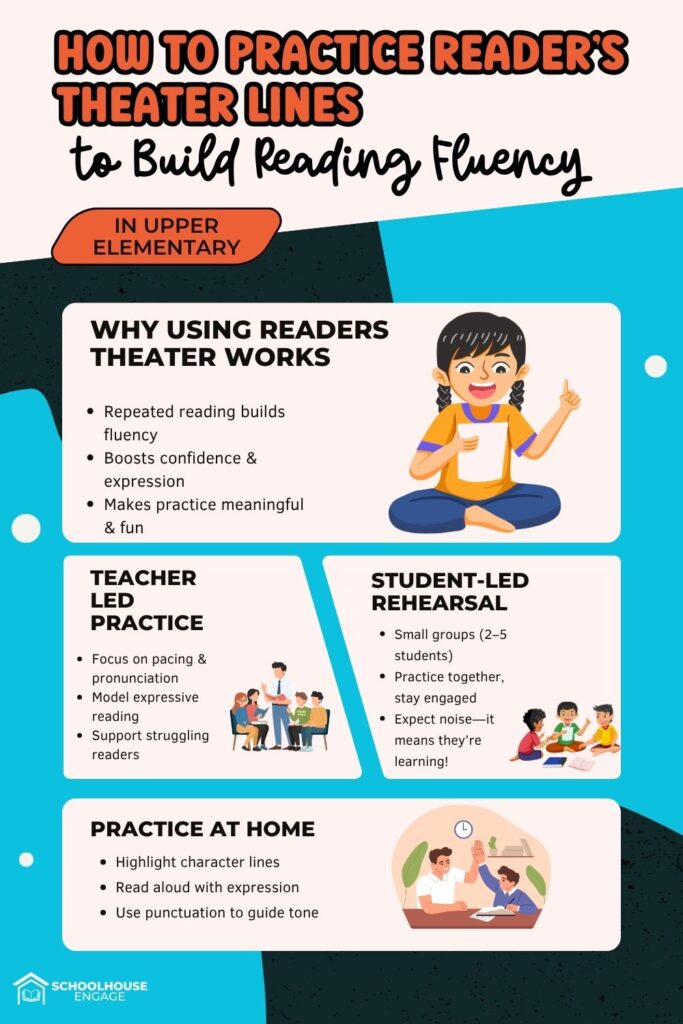
Final Thoughts on Practicing Reader’s Theater Lines
Repetition Builds Confidence and Fluency
Fluency doesn’t develop overnight—it takes meaningful practice. Whether students are working with you, rehearsing with peers, or practicing at home, each step builds their confidence and ability to read aloud with purpose.
Make Fluency Practice Fun and Purposeful
Reader’s Theater transforms fluency practice into something students look forward to. With small group rehearsals, student-led practice, and at-home reinforcement, you’re giving your students every opportunity to grow as expressive readers.
Grab Ready-to-Use Reader’s Theater Scripts
Looking for classroom-tested scripts that are fun, educational, and easy to use?
Check out some of my popular 13 Colonies Readers Theater collection, designed to build fluency while helping students engage with social studies content.
Each script includes 2–5 speaking parts—perfect for small group rehearsal—and is written with upper elementary learners in mind.



Shop Readers Theater Scripts Here
Let your students experience the joy of reading aloud—with expression, purpose, and confidence! You got this! Giselle
To read more about fluency and classroom performances, make sure to read: Readers Theater Tips for Class Performances and Fluency