
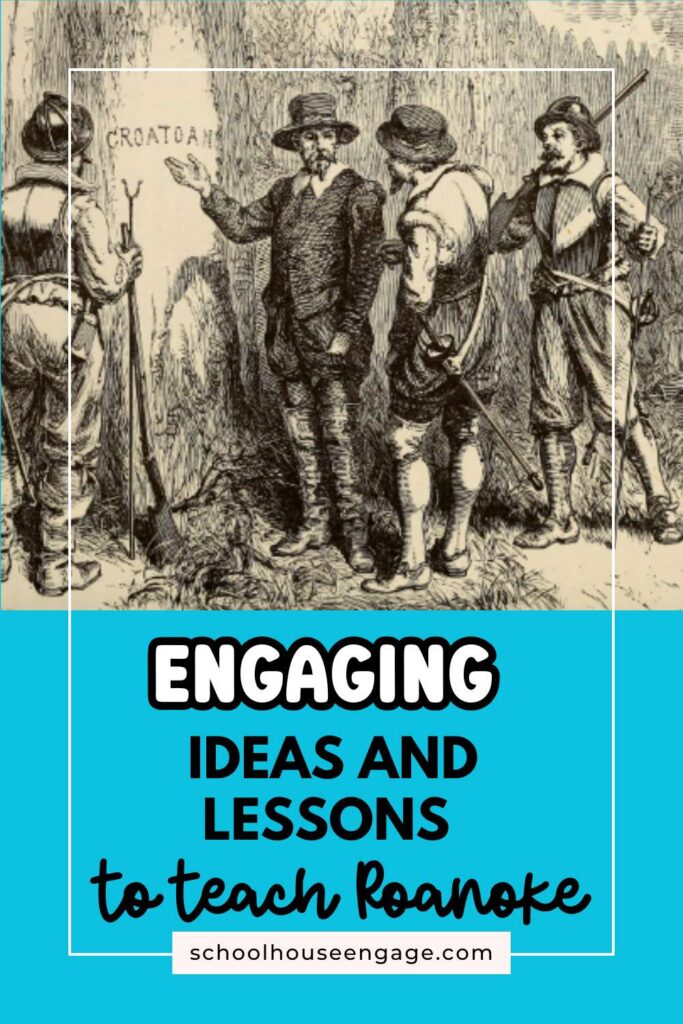
If you’re getting ready to teach early English settlements, the Lost Colony of Roanoke is one of the most exciting places to start. The mystery of what happened to the settlers captures students’ curiosity and creates the perfect hook before starting lessons about Jamestown and Plymouth.
In this post, I’m sharing creative and engaging ways to teach Roanoke to elementary students—whether you’re looking for integrated social studies and literacy ideas, free classroom activities, or ready-to-use resources. These Roanoke teaching strategies are classroom-tested, designed for upper elementary, and support all learners.
Why Teach About Roanoke in Upper Elementary?
Connecting Social Studies and Literacy
The Lost Colony of Roanoke offers a powerful opportunity to integrate reading, writing, and history standards. Students analyze historical events, explore vocabulary in context, and build comprehension through rich classroom discussions.
Best of all, historical mysteries like Roanoke help develop critical thinking. Students must examine multiple perspectives, sort through clues, and form their own interpretations—just like real historians!
Building Curiosity Around Colonial America
Roanoke is the perfect launching point for your early colonies unit. Instead of starting with names and dates, begin with a mystery. What happened to over 100 colonists who vanished without a trace?
By presenting the mystery and sharing a few of the popular theories, you’ll have your students leaning in and asking questions. Roanoke creates a sense of wonder that naturally transitions into deeper lessons on Jamestown and Plymouth.
Start with a Story: Use the Mystery of Roanoke to Spark Interest
Ask a Big Question
Kick off your unit with an essential question like:
“Do you think a whole town can disappear?”
Let students explore the mystery through inquiry-based learning. Share brief facts and a highly-engaging video clip, then give them time to wonder and hypothesize.
Create a Classroom Discussion
Once you’ve introduced the basic story, have a class discussion around possible theories. Record student ideas on a whiteboard or anchor chart.
This exercise builds engagement and encourages students to back up their ideas with reasoning—a skill that’s valuable in every subject.
Use Slides and Guided Notes for Background Knowledge
Before students can learn more about Roanoke’s mystery, they need a solid understanding of key vocabulary and historical context. That’s where slides and guided notes come in!
Using a visual presentation paired with fill-in-the-blank notes helps all learners—especially English Learners and students who need more structure—grasp the important background knowledge they’ll need to make sense of the story.
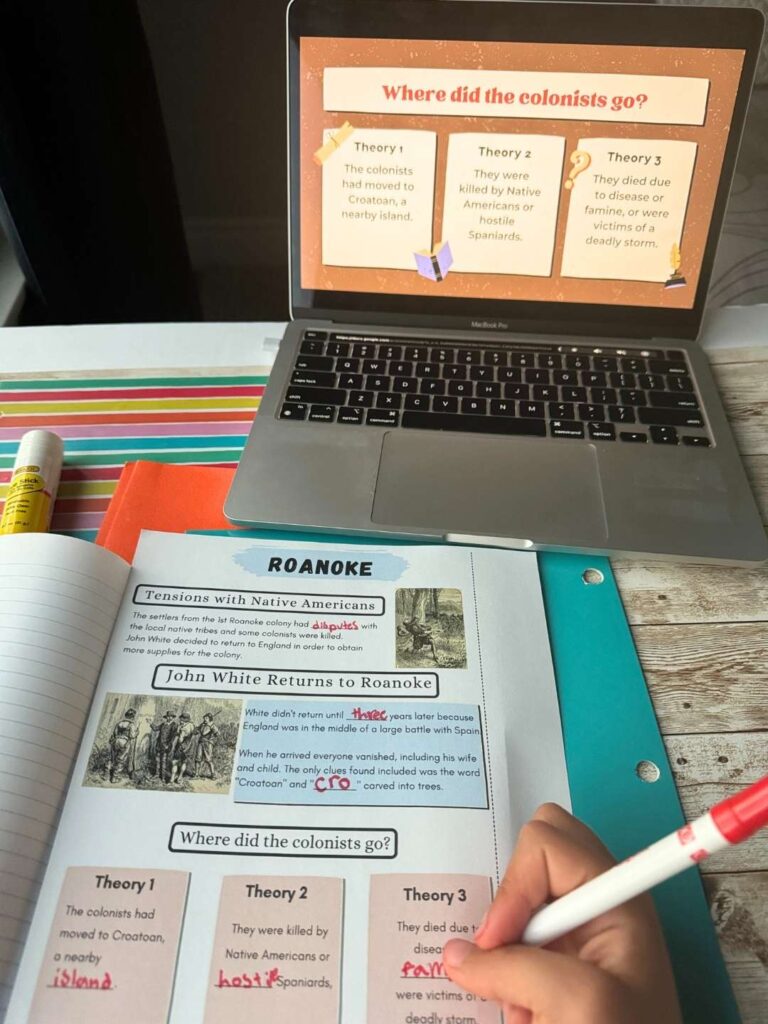
Build Vocabulary with Domain-Specific Words
Introduce and review key Social Studies terms like:
- Colony
- Settlement
- Abandoned
- Governor
- Supplies
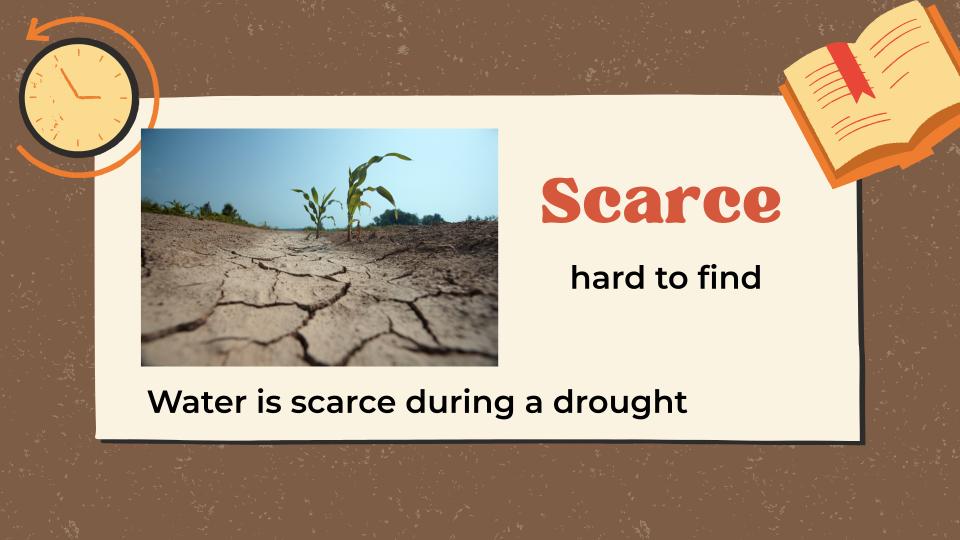
These aren’t just random vocabulary words—they’re essential to understanding what happened in Roanoke, especially when students begin to read about it. Visuals next to each word help make the meanings more understandable, and guided notes ensure students are actively engaged during instruction.
Teaching Tips for Using Slides
- Display the slides during your mini-lesson, and have students fill in the blanks on their note pages as you go. This keeps them engaged and accountable throughout the lesson.
- After your live instruction, assign the digital slides in Google Classroom as a review or check-in. You can even use them as part of your test prep later in the unit.
These editable Roanoke Google Slides with guided notes are engaging and provide the background knowledge your students need before reading about Roanoke.
These resources make your life easier while ensuring your students build the content knowledge they need to confidently explore the mystery of the Lost Colony.
Engage with a Roanoke Readers Theater
Why Readers Theater Works
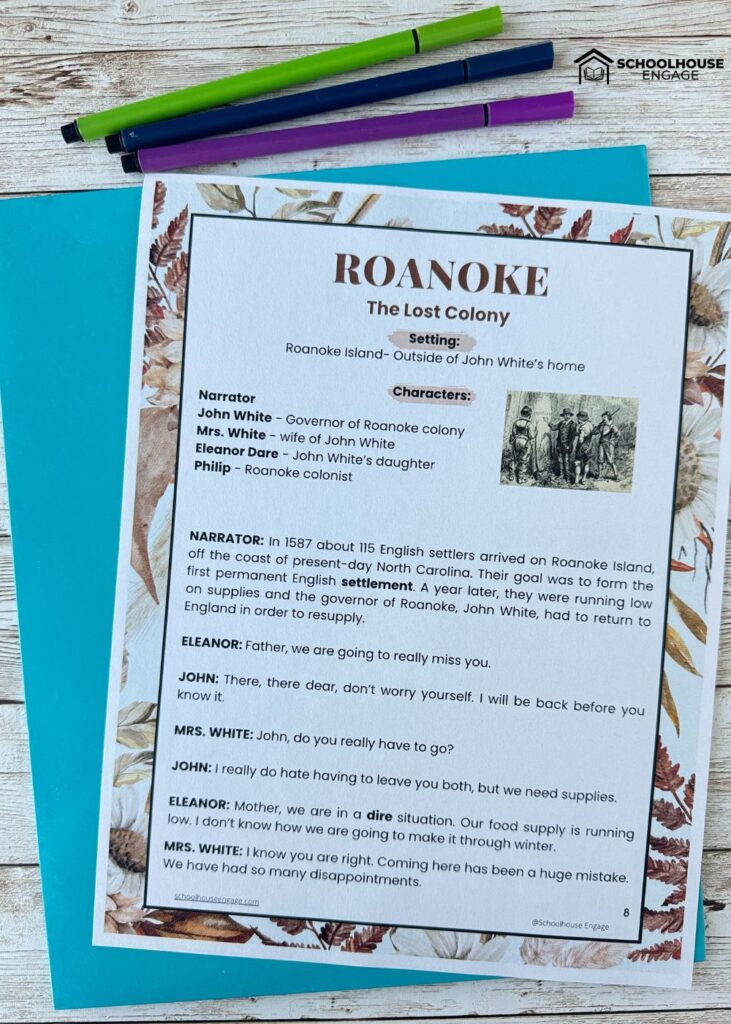
One of my favorite ways to bring Roanoke to life is with Readers Theater. This strategy helps students build fluency, vocabulary, and comprehension while making Social Studies fun and interactive. For English Learners, the repeated exposure to academic vocabulary and historical concepts is especially powerful.
Use a Funny Readers Theater Skit
If you want your students to truly enjoy the lesson, try using a humorous Roanoke script. My [Funny Roanoke Readers Theater Skit] was written to make students laugh while they learn. With only five parts and a short run time, it’s ideal for small groups.
Encourage your students to add gestures, change voices, and rehearse like actors. Readers Theater helps even shy students shine and gives your kinesthetic learners something to get excited about.
To learn more about how I teach my students about the Early Colonial Settlements, be sure to read this blog post: Making History Fun: Using Readers Theater to Teach Early Colonial Settlements
Want a ready-made Roanoke skit? Check out this Roanoke Readers Theater Script.
Use Roanoke for Informational Writing Projects
Compare Roanoke, Jamestown, and Plymouth
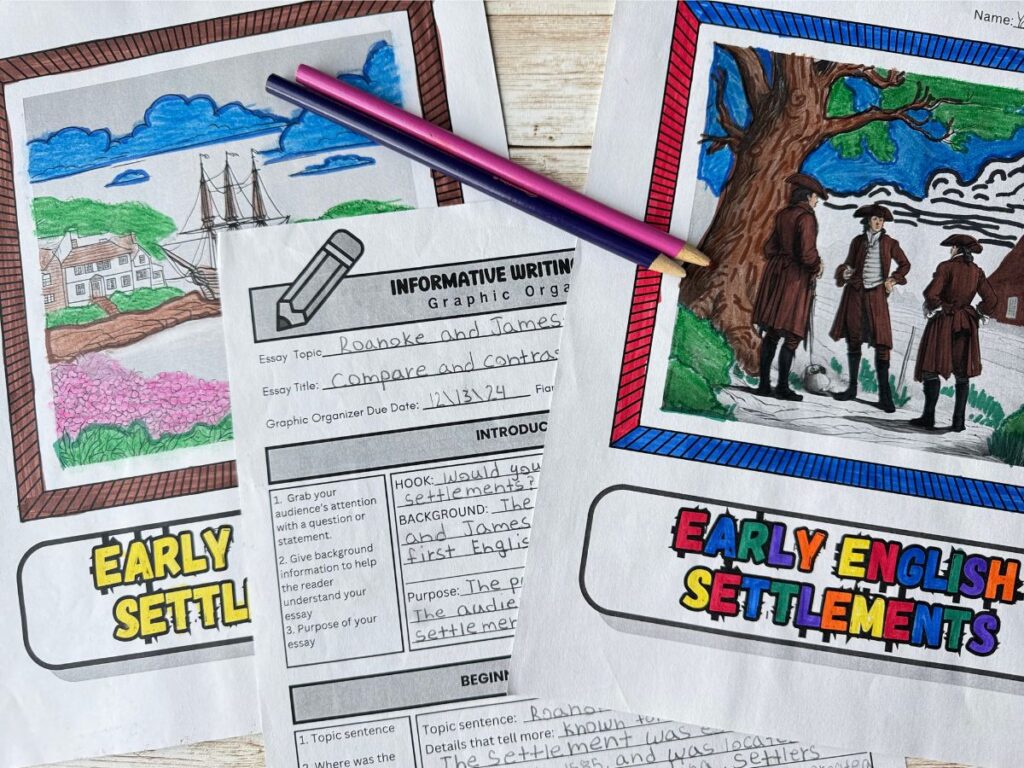
Once students have learned about Roanoke, Jamestown, and Plymouth, guide them into a compare-and-contrast essay. This project hits informational writing standards while helping your students apply everything they have learned.
I recommend using graphic organizers to help students structure their ideas and ensure they’re using evidence from their research. Also, it’s best if they only compare and contrast two of the three colonies.
Student Engagement Tips
Let your students design a cover page or decorate their final drafts with illustrations of the three colonies. A colorful bulletin board featuring their essays is a great way to show off their hard work.
For more tips on how to structure this writing lesson and to help students with their planning, be sure to read: Simplify Writing Lessons: Compare and Contrast Roanoke, Jamestown, or Plymouth Report. Inside are tips to help even your most struggling writers.
Need a structured approach to writing this compare and contrast essay? Check out this Informative Writing Essay Resource.
More Creative Ways to Teach Roanoke
These extension activities will help your students explore Roanoke through critical thinking, creativity, and collaboration.
Create a Timeline
Have students build a Roanoke timeline using construction paper strips or Google Slides. Include key events like Sir Walter Raleigh’s voyages, John White’s return to England, and the discovery of the word “Croatoan.”
Write a Journal Entry as a Colonist
This activity is perfect when teaching perspective. Students write as if they are colonists in Roanoke, describing their life, fears, and what might happen next. This works great as a quick write or an extended writing project.
Create a Short Video Preview
What if the Roanoke mystery were turned into a movie? Challenge your students to script and act out a video trailer using Canva or Adobe Express. They’ll be applying writing, speaking, and collaboration skills while having a blast.
Grab These Ready-to-Use Roanoke Resources
Want to save planning time and get everything prepped for you? These ready-to-go resources were designed to make Roanoke lessons fun, rigorous, and engaging. Grab each individual resource below or get the Bundle.
Funny Roanoke Readers Theater Skit: Build fluency with laughter
Compare & Contrast Essay: Roanoke, Jamestown, Plymouth
Lost Colony of Roanoke Editable Slides + Guided Notes
Final Thoughts: Keep History Engaging and Memorable
Teaching the Lost Colony of Roanoke can be a lot of fun! Whether you use a funny skit, an informational writing project, or a simple class discussion, the key is to make your lessons about Roanoke engaging.
With a bit of creativity and structure, your students will be excited to learn about Early English Settlements and eventually the 13 Colonies. You got this! Giselle