
One of the best ways to build reading fluency and confidence in upper elementary students is through expressive oral reading. But fluency isn’t just about reading quickly—it’s about reading with meaning.
That’s where intonation, inflection, and volume come in.
- Inflection refers to how the pitch of your voice rises and falls to reflect emotion or emphasis.
- Intonation is how tone is used to convey feeling or mood.
These elements help students understand how a character feels, what’s happening in the story, and how to engage their audience.
Here’s a step-by-step routine you can use to model and practice fluency with your students, using a short script or excerpt.
Whether you’re working on a social studies-themed Readers Theater or a classroom skit, these techniques can transform a flat reading into a powerful performance.
Step 1: Model Expressive Reading
Start by explaining to your students that fluent reading involves more than just saying words correctly. It means using your voice to show meaning—sometimes reading louder or softer, changing your pitch, or stretching or emphasizing certain words.
Read a short section from a script or story two different ways:
- First, read it in a monotone, robotic voice, without expression or change in pitch. Ask students what they noticed. Did it sound interesting? Did they understand how the characters felt?
- Next, reread the same section with expression. Use inflection, raise and lower your pitch, and emphasize key words. Students will immediately notice the difference!
This comparison helps students see and hear how inflection and volume make reading more engaging and meaningful.
Step 2: Practice Fluency as a Group—Choral Read with Inflection and Intonation
Now it’s time to get students involved! Have the whole class choral read the same few sentences together, focusing on:
- Using punctuation to guide their reading.
- Making their voice go down at a period and up at a question mark.
- Paying attention to words that should be emphasized.
Provide gentle corrective feedback and praise students when they demonstrate strong expression. It’s okay if it feels exaggerated—this is practice, and overdoing it a little at first can help build confidence.
Step 3: Practice Reading Fluency with Expression and Intonation
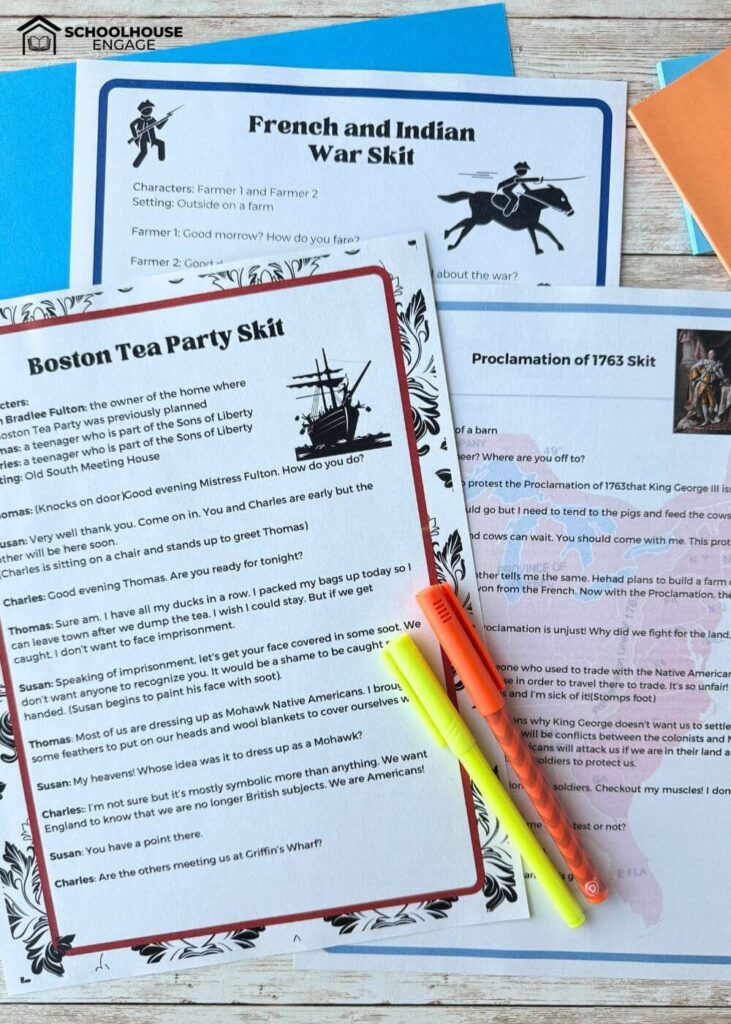
Choose a section of your Readers Theater script to revisit. Give students a chance to apply what they’ve just learned. Try one of these strategies:
- Echo reading: You read a line, and students repeat it with the same intonation.
- Fill-in-the Blank reading: You read out loud and pause when you want students to read one word at the same time.
- Partner reading: Call on pairs to perform a small section together.
Step 4: Teach Inflection and Expression to Boost Reading Fluency in Scripts
What Is Inflection—and Why Does It Matter?
Inflection is the way your voice changes pitch and tone as you read. It helps your listener understand the emotion, purpose, and meaning behind the words.
Fluent readers don’t read in a flat voice—they use inflection to make characters sound excited, scared, curious, surprised, or serious. I teach this explicitly!
For example:
- If a character is asking a question, your voice should go up at the end.
- If the character is making a statement, your voice should go down at the period.
- If a character is shouting or excited, your volume may increase slightly, and your pitch might rise.
- Look for words that show emotion—those are the ones to emphasize!
Inflection, along with expression, volume, and pacing, is what brings a script to life—and that’s exactly what your students have been practicing.
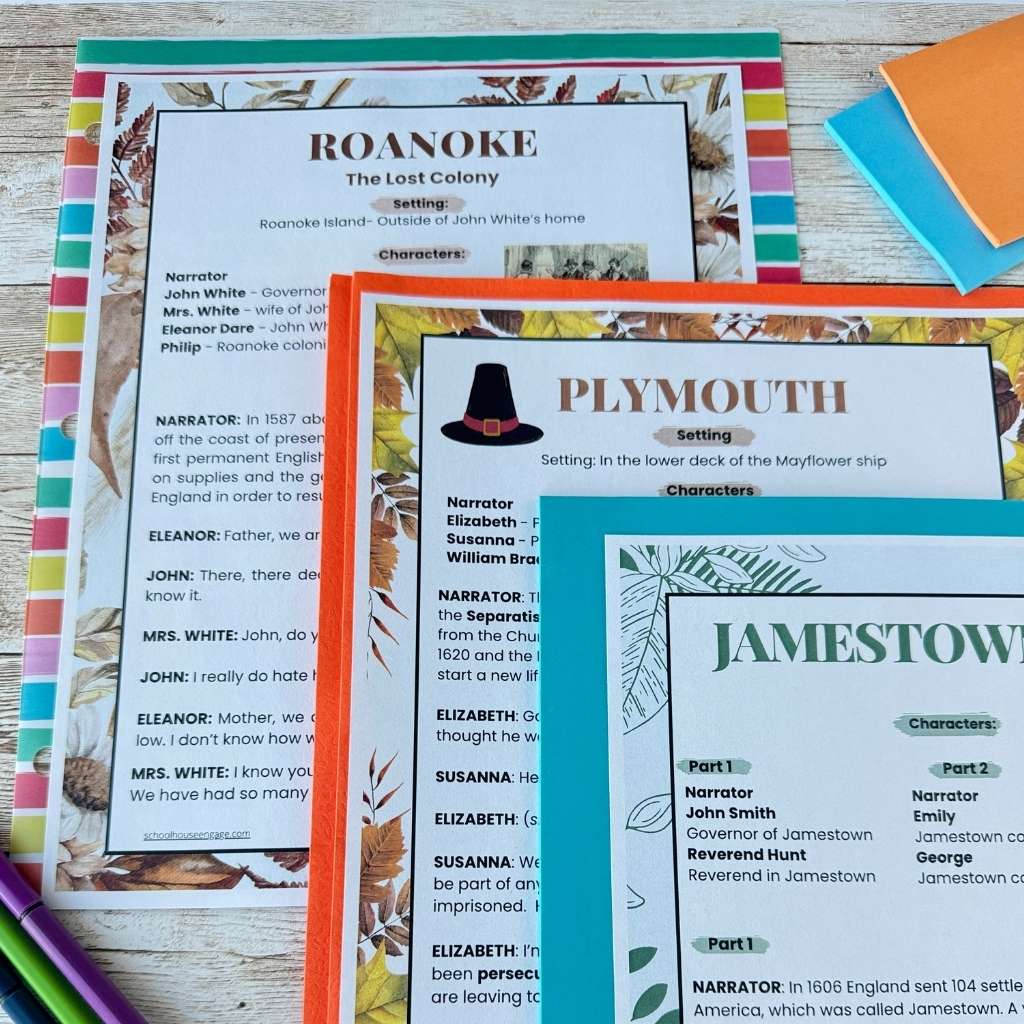
Read Making History Fun: Using Readers Theater to Teach Early Colonial Settlements to learn about how I teach my students about the Early English Settlements in my classroom.
Step 5: Prepare for Performance and Rehearse
Rehearsing for a performance is not about memorizing lines—it’s about reading with strong expression and clear voices.
When rehearsing, make sure to:
- Suggest standing positions and movement cues.
- Rehearse where and when to use props
- Talk through transitions so students are confident about what to do and when.
This is the perfect time to remind students that their voices are their most important tool and to take note of each student’s fluency skills.
In my district, students get a grade for oral fluency, so I make a note about each student’s fluency so I have something to refer to (apart from their fluency assessment) during parent conferences.
Step 6: Perform the Script with Confidence and Expression
The big moment has arrived—your students are ready to take the stage! If you are doing an actual performance outside the classroom, invite another class or parents to attend (if possible, and if time permits!).
Introduce the Cast
Start by welcoming your performers. You can introduce them yourself or have each student step forward and say their name and character. This small moment builds excitement and helps students take pride in their roles.
Final Thoughts
Fluency takes time, practice, and intentional teaching—but the results are worth it. When students learn how to read with expression, intonation, and volume, they become more confident readers.
Readers Theater is the perfect tool to make that happen. It turns routine fluency practice into an engaging, low-pressure performance that students love.
Ready to bring more fluency and fun into your classroom?
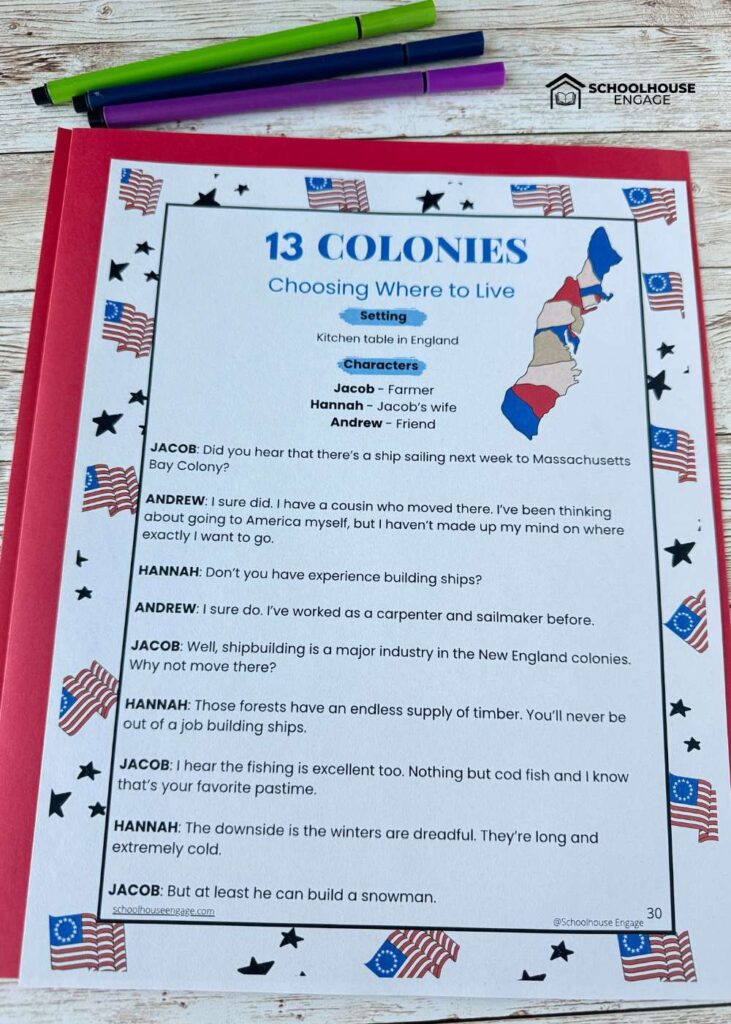
Explore my collection of Reader’s Theater scripts, written specifically for upper elementary students. Each script is designed to build background knowledge, deepen comprehension, and boost fluency through meaningful, character-driven dialogue.
Make sure to read, 7 Reasons to Use Readers Theater in Social Studies.


Click here to shop my Causes of American Reader’s Theater skits or my Early Settlements and 13 Colonies skits, and bring your next fluency lesson to life!
Let your students experience the joy of reading out loud—with purpose and confidence. You got this. Giselle